Body | Research
A Short Walk After Meals Does More Than You Think
A few minutes on your feet after eating can blunt the rise in blood sugar that follows a meal.
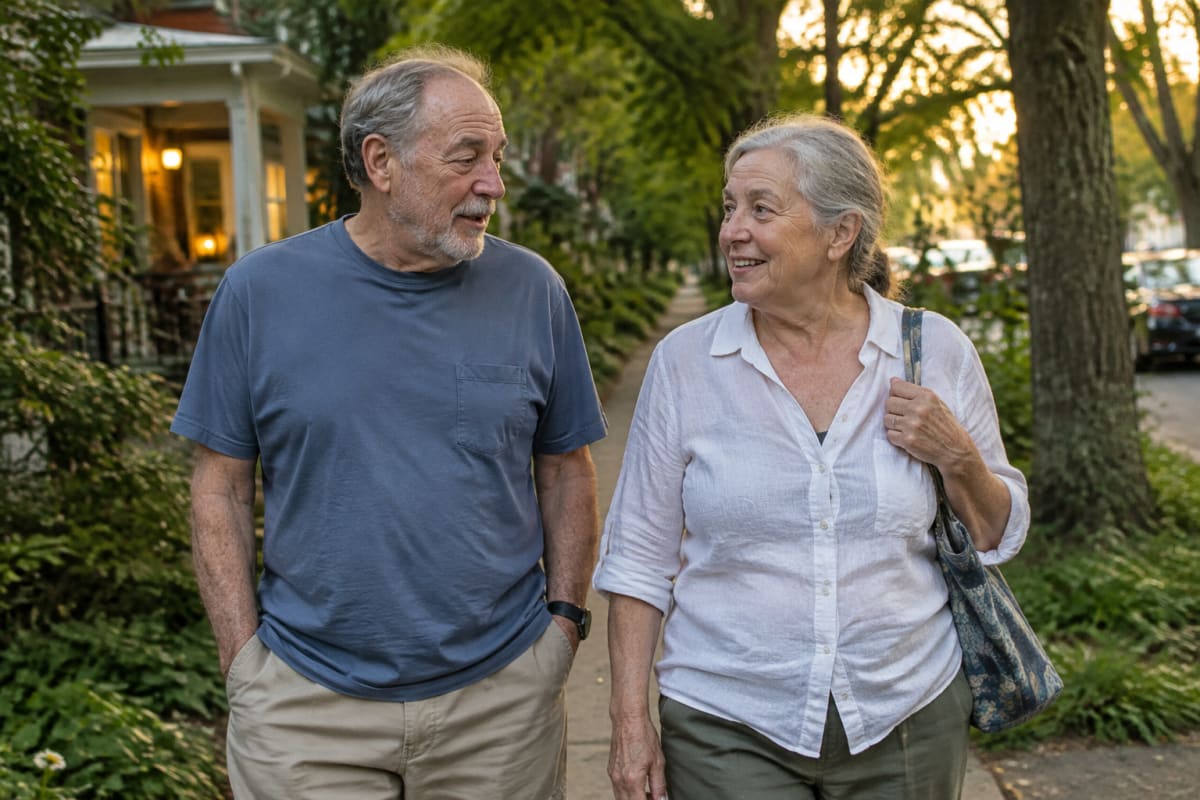
Older generations had a habit that is easy to dismiss: a stroll after dinner. The research is catching up with them.
A short walk after eating appears to help the body handle the sugar from a meal, and it does not take much.
What happens after you eat
When you eat, sugar from your food moves into your blood. Levels usually peak somewhere between 30 and 90 minutes after a meal, then fall as the body moves that sugar into cells.
Working muscles use sugar for fuel. Moving during that window gives the sugar somewhere to go.
What the research shows
A 2022 review in the journal Sports Medicine pooled seven studies that compared prolonged sitting with breaking it up by standing or light walking.
Light walking after meals was linked with a smaller rise in blood sugar and insulin than sitting. Standing helped a little. Walking helped more.
In several of the studies, the walks lasted only two to five minutes.
How to make it a habit
- Aim to move within an hour of eating, while blood sugar is still rising.
- Keep it easy. A relaxed pace counts.
- Short is fine. Five or ten minutes around the block, the garden or even the house is enough to start.
- After dinner is a good place to begin, since evening meals are often the largest and are usually followed by sitting.
Walks after meals also count toward the national guideline of 150 minutes of moderate activity a week.
Who should check first
If you take medication for diabetes, talk to your doctor before changing your routine, since activity can change how your medication works.